Brightr Pillow Talk Blog
Best Mattresses for Back Pain in 2026: Expert Reviews & Buying Guide
Choosing the right mattress can be a game changer if you suffer from back pain. With countless options promising relief, understanding which features truly help improve your sleep quality and reduce discomfort is essential. This comprehensive guide dives deep into expert mattress reviews and comparison insights to help you find the best mattresses for back pain tailored to your needs. Understanding Back Pain and Its Connection to Mattresses Back pain is a common condition affecting millions, with causes ranging from acute injuries to chronic conditions. It can originate in various areas such as the lower back (lumbar region), middle back (thoracic spine), or upper back (cervical spine), each requiring specific care considerations. The quality of your mattress plays a pivotal role in managing pain by ensuring proper spinal alignment during sleep. A mattress that lacks appropriate support or is too soft or firm can lead to spinal misalignment, worsening pain over time. For instance, a sagging mattress may cause your hips or shoulders to sink excessively, twisting your spine unnaturally. Over time, this poor support contributes to increased discomfort and sleep difficulties. Beyond mattress characteristics, factors like sleeping position, posture during the day, activity level, and ergonomic setup also influence back pain. Combined with a quality mattress designed for spinal health, maintaining an optimal sleep environment can significantly improve back pain management. How Mattress Features Affect Back Pain Relief The right mattress for back pain balances support and comfort with features tailored to your body and sleep preferences. Mattress firmness is a critical factor; generally, medium-firm mattresses offer a blend of spinal support and pressure relief, helping maintain neutral spinal alignment without creating pressure buildup. Comfort layers influence how the mattress contours to your body. Memory foam reduces pressure points by molding gently to your curves, providing back pressure relief especially useful for side sleepers. Latex offers a responsive mattress feel with durability and natural resilience. Coil or innerspring mattresses supply supportive coil systems that maintain spine neutral positioning and allow cooling airflow. Mattress thickness and layering affect overall performance. Thicker comfort layers allow better contouring for heavier sleepers or those needing extra cushioning, while adequate support foam and coil support cores maintain structural integrity and spinal alignment. Edge support is essential for undisturbed sleep and ease of movement, preventing you from feeling like you might roll off the mattress. Cooling features like breathable covers, cooling gel infusions, or glaciotex cooling covers enhance temperature-neutral feel, ensuring comfort throughout the night especially for those who feel hot at night. Responsiveness enables easier repositioning, important for people with mobility concerns and combination sleepers. Choosing the Right Mattress Based on Your Sleep Position Back Sleepers Back sleepers need a mattress with medium-firm to firm support to maintain natural spinal curvature. The lumbar region requires sufficient support to prevent midsection sinkage, which can strain the lower back. A supportive medium-firm mattress with a slightly firm feel often offers the best spinal alignment for back sleepers. Hybrid mattresses with responsive coil systems combined with contouring comfort layers, such as memory foam or latex, are excellent choices, balancing support and pressure relief. Side Sleepers Side sleeping creates pressure on hips and shoulders, key areas where cushioning is necessary for back pain relief. Side sleepers usually benefit from slightly softer mattresses that provide a plush feel yet maintain enough firmness to support spinal alignment. Medium soft to medium-firm mattresses with ample comfort layer thickness, especially memory foam or latex hybrid mattresses, offer excellent contouring while reducing pressure buildup at these points. Stomach Sleepers Stomach sleepers face a risk of spinal overextension because the hips tend to sink in low-support mattresses. To keep hips elevated and prevent lower back strain, firmer mattresses with a strong support core are recommended. Firm mattresses reduce excessive sagging and keep the spine aligned. However, sleeping on your stomach is generally less ideal for those with back pain due to the unnatural spinal position it promotes. Combination Sleepers Combination sleepers switch positions throughout the night and require a mattress that balances pressure relief with support and responsiveness. Medium-firm hybrid mattresses with responsive foam layers and supportive coil systems allow ease of movement and maintain spinal alignment regardless of position changes. These mattresses also typically provide good edge support and temperature-neutral feel for undisturbed sleep. How Body Weight Influences Mattress Choice for Back Pain Mattress firmness perception varies depending on your body weight. Heavier sleepers often experience mattresses as softer due to deeper compression. Therefore, they might need firmer mattresses with thicker support layers to provide adequate spinal support and prevent excessive sinkage. Durability and material quality become particularly important for plus-sized individuals. High coil counts, reinforced edges, and dense foams optimize mattress longevity and maintain shape under greater pressure. Mattress thickness influences comfort and support – thicker mattresses with sturdy support cores better accommodate heavier sleepers by preventing back pressure buildup and spinal misalignment. Choosing the right mattress in relation to your body size ensures both pain relief and sleep performance ratings improve over time, further enhancing sleep quality. Expert-Backed Mattress Types Best for Back Pain Relief Several mattress types are recommended by experts for back pain, each with pros and cons depending on individual needs. Mattress Type Pros Cons Innerspring Mattress Strong support core, good edge support, cooling performance May lack contouring, possible pressure points Memory Foam Mattress Excellent contouring, pressure relief, reduces motion transfer Less responsive to movement Hybrid Mattress Responsive coil support with comfort layers, balanced cooling & contouring Typically higher cost, heavier mattress Latex Mattress Durable, breathable, naturally resilient for back pressure relief Usually firmer feel, more expensive Emerging mattress technologies such as zoned support systems offer targeted spinal support by varying firmness along mattress zones — ideal for managing upper and lower back pain specifically. Advanced cooling covers improve temperature-neutral feel for those who feel hot at night. Adjustable mattress like Brightr Sleep provide customizable firmness and support , making them a great option for people with chronic pain seeking personalized back pain relief. Top Tested Mattresses for Back Pain in 2026: Detailed Reviews & Ratings Best Mattress for Most Back Pain Sufferers The Brightr Sixsense mattress, a medium-firm adjustable firmness memory foam mattress, consistently ranks at the top for back pain relief. It combines multiple comfort layers—adaptive polyfoam and contouring memory foam—with supportive layers that offer excellent spinal support and edge support. The mattress scores high on pressure relief, cooling performance, and durability. Feature WinkBed Performance Firmness Medium-firm - adjustable (6.5/10) Pressure Relief Good contouring memory foam for back pressure relief Cooling Cooling cover with breathable coil support Edge Support Strong edge support score, prevents midsection sinkage Responsiveness Responsive foam layers for ease of movement The Brightr Sixsense suits back sleepers, side sleepers, and combination sleepers due to its balanced medium-firm feel and zoned lumbar support. Its high durability and cooling features also support longer-term back pain management and undisturbed sleep. Best Mattress for Heavy Sleepers with Back Pain For heavier sleepers, the WinkBed Plus stands out. This mattress features thicker comfort layers and reinforced coil support designed to handle higher weight burdens while maintaining spinal alignment. Feature WinkBed Plus Performance Comfort Layer Thickness Enhanced plush comfort layers for pressure relief Support Supportive coil system with reinforced edges Firmness Slightly firmer feel to prevent excessive sinkage Durability Materials optimized for plus-sized mattress longevity This mattress supports heavier sleepers’ spinal alignment and provides excellent back pain relief by addressing heavier pressure buildup and ensuring durability over time. Best Natural and Organic Mattresses for Back Pain The Saatva Latex Hybrid mattress blends organic materials with a latex hybrid design. Its natural spine alignment is aided by supportive coil layers and latex comfort layers, ensuring pressure relief with a responsive mattress feel. It excels in durability and cooling performance. People seeking organic mattresses for health benefits or those with sensitive skin often prefer latex hybrid mattresses because of low chemical use and breathability. Best Mattresses by Sleep Position and Specialty Needs Sleep Position Recommended Mattress Type Key Benefits Side Sleepers Memory foam, medium-soft to medium-firm Pressure point cushioning, spinal alignment Back Sleepers Medium-firm Lumbar support, prevents midsection sinkage Stomach Sleepers Firm - very firm Elevates hips, prevents spinal overextension Combination Sleepers Responsive medium-firm Ease of movement, balanced pressure relief Options optimized for motion isolation, cooling, and ease of movement help people with chronic pain or mobility concerns find undisturbed, comfortable sleep. How We Test and Evaluate Mattresses for Back Pain Relief Our mattress evaluations focus on critical factors such as pressure relief, spinal alignment, edge support, and responsiveness. Using pressure mapping technology, we measure how a mattress distributes weight and alleviates pressure points that contribute to back pain. Motion isolation tests help judge how a mattress minimizes partner disturbance, while temperature control tests assess cooling features to prevent heat retention. Real sleeper feedback, including people with various types of back pain, complements objective testing. Partnerships with medical professionals ensure our validation process considers clinical perspectives. Combining data with subjective comfort ratings enables a comprehensive understanding of mattress performance for back pain relief and sleep quality. Additional Tips for Managing Back Pain Beyond Your Mattress While a supportive mattress is foundational, managing back pain during sleep also involves good sleep hygiene—consistent sleep schedules, a dark and quiet environment, and avoiding screens before bedtime. Nightly stretches targeting the lower back and hips can alleviate muscle tension. Techniques such as deep breathing promote relaxation and reduce pain perception. Adjustable foundations complement mattresses by allowing customized positioning to reduce pressure on sensitive areas. Pillows designed for lumbar support or molded for side sleepers enhance spinal alignment further. Complementary products like mattress toppers with added memory foam or ergonomic pillows tailored to your sleep position can boost comfort and back pain relief. Frequently Asked Questions About Mattresses and Back Pain What type of mattress is best for back pain? Generally, a medium-firm mattress that provides balanced support and pressure relief is recommended. Hybrid mattresses combining coil support with memory foam or latex comfort layers are particularly effective for most sleep positions. Is a firm or soft mattress better for back pain? Firm mattresses can offer spinal support but may cause pressure buildup if too hard. Soft mattresses ease pressure but might not maintain proper spinal alignment. Medium-firm mattresses usually strike the best balance. Can a mattress cure back pain? A mattress cannot cure underlying conditions but can significantly reduce pain by supporting spinal alignment and relieving pressure. For chronic or severe back pain, consult healthcare professionals. When should you replace your mattress for better back health? Signs include sagging, lumps, visible wear, or increased pain that correlates with waking up. Generally, replacing a mattress every 7-10 years is advisable. What mattress types suit specific back pain locations? Lumbar pain benefits from zoned support mattresses. Side sleepers with hip and shoulder pain prefer memory foam or latex hybrids. Stomach sleepers need firmer mattresses for lower back strain prevention. Cost and Where to Buy the Best Mattresses for Back Pain Quality mattresses designed for back pain relief typically range from $800 to $2,500 depending on size, brand, and features. Investing in a supportive mattress enhances sleep quality and reduces medical costs linked to back pain. To save money, watch for seasonal sales, bundle deals, and financing options offered by many retailers. Trial periods and return policies are crucial, ensuring you can test the mattress in your home. Trustworthy brands known for back pain relief include Brightr sleep , Saatva, Nectar, and Leesa. Purchase through authorized retailers or direct from the manufacturer to guarantee authenticity and warranty coverage.
Learn more
Firm Mattress Topper: How to Choose the Perfect Firmness for Sleep
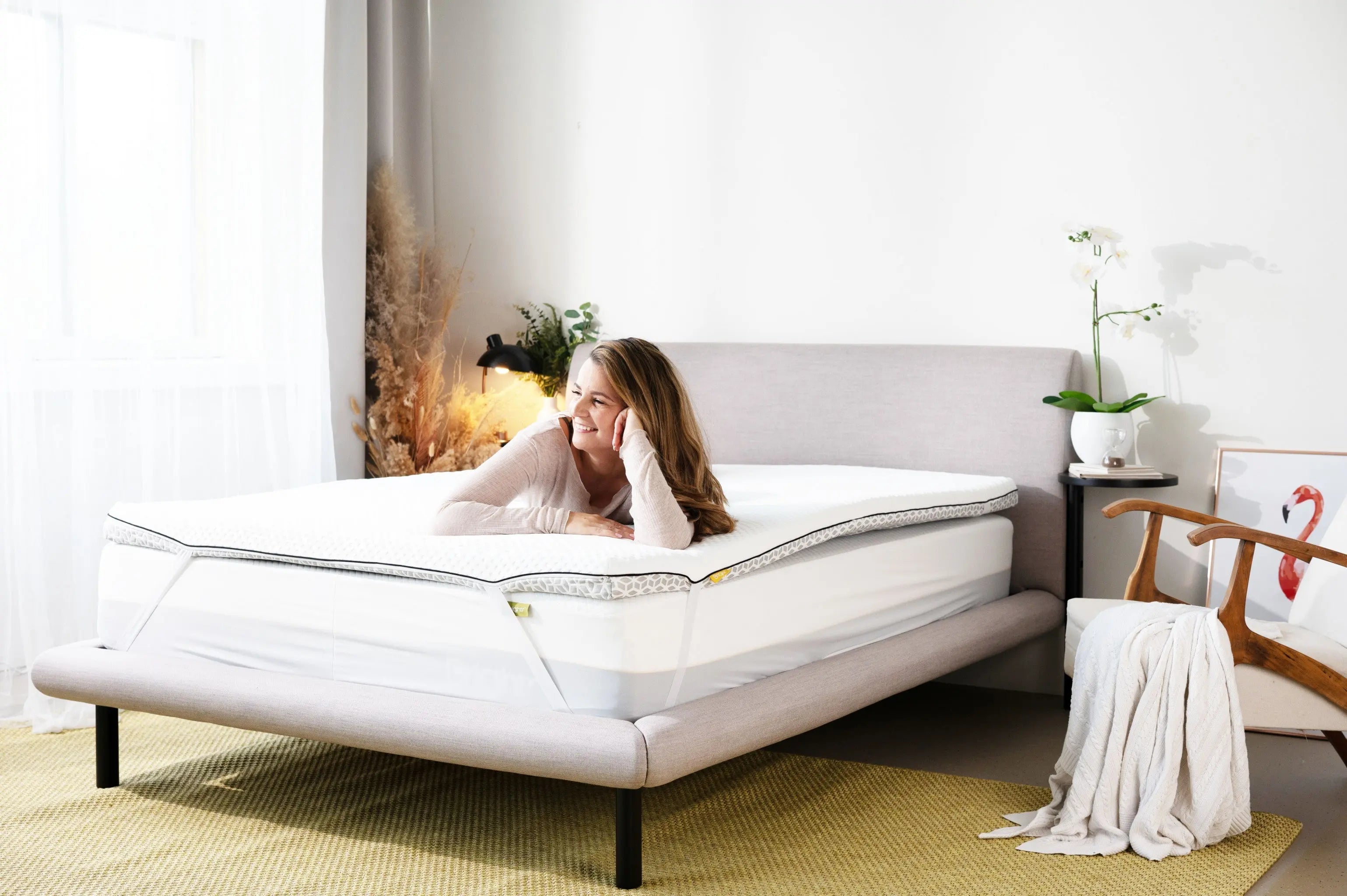
Are you struggling to find the right balance between comfort and support? A firm mattress topper might be the key to a restful night and spinal alignment. But how do you choose the perfect firmness? A firm mattress topper can transform your sleep experience by adding just the right amount of firmness without the expense of a new mattress. This guide will walk you through factors to consider, from firmness levels to materials, helping you pinpoint the best firm mattress topper for your unique sleep needs. Understanding Firm Mattress Toppers What Is a Firm Mattress Topper? A firm mattress topper is designed to provide extra support on top of your existing mattress by reducing excessive sinkage and promoting better spinal alignment. Unlike soft toppers, firm versions resist deep compression, ensuring your body stays better supported throughout the night. Why Choose Firmness Over Softness? Many sleepers opt for a firm mattress topper because it helps maintain proper posture, alleviates back pain, and prevents the feeling of sinking too deeply into a mattress. A firmer surface can be especially beneficial for back and stomach sleepers who require added support. Factors to Consider When Choosing Firmness Body Weight and Sleeping Position Your weight and preferred sleeping position greatly influence how firm your topper should be. Heavier individuals may find a very firm mattress topper provides the necessary support, while lighter individuals might prefer something just firm enough to prevent sagging without feeling uncomfortable. Existing Mattress Condition If your mattress is sagging or too soft, a firm mattress topper can provide needed structure and extend mattress life. Conversely, if your mattress is already firm, aim for a firm but comfortable topper that won't add unnecessary hardness. The Spectrum of Firmness: From Firm to Very Firm Firm vs. Very Firm Mattress Toppers Firm mattress toppers generally offer a balance of support and slight cushioning, whereas very firm mattress toppers provide minimal give, delivering near-solid support. Your choice depends on personal comfort and health considerations like back pain or joint issues. When to Choose a Hard Mattress Topper A hard mattress topper is ideal if you require maximum support, such as for orthopedic needs or if your mattress is excessively soft. Hard toppers prevent your body from sinking, aiding in spinal alignment and pressure relief. Materials and Construction of Firm Mattress Toppers Foam Firm Mattress Toppers Memory foam is popular for firm mattress toppers because it contours to your body for pressure relief while maintaining a supportive feel. High-density memory foam creates a firm yet comfortable surface that reduces motion transfer. Latex and Hybrid Options Latex toppers, especially Talalay or Dunlop varieties, offer firm support with a bit more bounce and breathability. Hybrid mattress toppers combine layers like foam and springs for customized firmness and responsiveness. How Thick Should a Firm Mattress Topper Be? 1–2 inches: Offers subtle firmness adjustments without raising bed height excessively. 2–3 inches: Provides noticeable support and pressure relief, ideal for moderate firmness boosts. 3+ inches: Best for very firm toppers aiming to reshape sagging or overly soft mattresses. The thickness you choose affects both durability and how much the topper changes the feel of your mattress. Benefits of a Firm Mattress Topper Improved Spinal Alignment A firm mattress topper helps keep your spine aligned by preventing excessive sinking, critical for reducing back pain and improving sleep posture. Pressure Relief and Support Firmness levels can be tailored to relieve pressure in hips, shoulders, and joints, especially when combined with contouring materials like memory foam. Who Should Consider a Firm Mattress Topper? Back and Stomach Sleepers Those who sleep on their back or stomach generally benefit from firmer supports to keep hips and spine aligned and limit sinking. People with Back Pain A firm mattress topper can significantly reduce discomfort for sleepers dealing with chronic back pain or stiffness by providing enhanced support where needed. How to Test Firmness Before Buying Understanding Firmness Ratings Many mattress toppers use a scale from soft (1) to very firm (8 or 9). Look for detailed product descriptions and user reviews to assess the firmness accurately. Trial Periods and Returns Choose brands offering extended trial periods, as firmness perception varies. For example, our recommended firm mattress topper with dual firmness options provides flexibility for testing preference. Caring for Your Firm Mattress Topper Cleaning and Maintenance Tips Most toppers come with removable covers for easy washing. Regular airing and spot cleaning prevent odors and extend lifespan. Rotation and Longevity Rotate your topper every few months to ensure even wear. High-quality firm toppers often last 3-5 years with proper care. Common Myths About Firm Mattress Toppers Myth: Firmer Means Less Comfortable Comfort is subjective. Many find a firm mattress topper better supports their body and reduces pain, thereby improving comfort. Myth: Firm Toppers Are Too Hard for Everyone Firm mattress toppers come in various levels, including options with enough cushioning to suit different needs. Making the Most of Your Firm Mattress Topper Pairing with Mattress Protectors and Sheets Use a fitted sheet over your topper with a mattress protector underneath to preserve hygiene and comfort. Layering for Custom Comfort Consider layering a firm mattress topper with a softer topper or duvet to fine-tune your sleep surface. Where to Buy the Best Firm Mattress Topper Quality and Reputation Look for premium brands with excellent reviews, warranties, and materials. Our top recommendation is a quality option from Brightr, which offers a unique firmness-adjustable mattress topper to suit varying comfort needs. Pricing and Value Considerations While firm mattress toppers vary in cost, investing in a well-made product often leads to longer durability and better sleep quality. Finding the ideal firm mattress topper requires understanding your personal needs, mattress condition, and firmness preferences. From body weight considerations to material options and thickness, these factors shape the support and comfort you receive. Whether you need a hard mattress topper for maximum support or just a firmer layer for added stability, choosing wisely benefits your sleep quality immensely. Explore options like the adjustable dual-firmness foam toppers to tailor your experience and renew your mattress instantly for better rest. Ready to enhance your sleep? Discover the right firm mattress topper today and wake up refreshed every morning.
Learn more
Memory Foam Topper for Back Pain: 7 Key Benefits for Relief
Are you struggling with persistent aches and stiffness from back pain and wondering if a memory foam topper for back pain could offer relief? Many people find that their mattress is a hidden culprit behind their discomfort, and adding a quality memory foam topper can be a game-changer. This article explores the unique benefits of a 2-in-1 memory foam mattress topper designed specifically to alleviate back pain. From enhanced support to improved sleep quality, we’ll break down seven essential advantages that make these toppers a smart investment for anyone seeking relief and better rest. Understanding How a Memory Foam Topper for Back Pain Works The Science Behind Memory Foam's Support Memory foam is a viscoelastic material that molds precisely to your body shape. When used as a mattress topper, it adjusts to your body heat and pressure, offering customized support where it’s needed most. This targeted cushioning helps relieve stress on key pain points like the lumbar region, hips, and shoulders—common areas affected by back pain. Why a 2-in-1 Memory Foam Mattress Topper Is Ideal A 2-in-1 memory foam mattress topper combines layers with different firmness levels, allowing users to flip the topper for either a softer or firmer sleeping surface. This versatility means you can tailor your support based on your current pain levels or sleeping preferences, helping ensure optimal spinal alignment and pressure relief every night. Benefit 1: Improved Spinal Alignment Promotes Long-Term Relief How Memory Foam Supports Proper Alignment One of the leading causes of back pain is poor spinal alignment during sleep, often resulting from sagging or uneven mattress surfaces. A memory foam topper contours to your spine’s natural curvature, filling gaps between your body and mattress. This helps maintain even support from your neck to your lower back and prevents unnatural bending or strain that worsens pain. Role of Firmness in Alignment Choosing an appropriate firmness level is critical. Too soft a topper causes sinking and misalignment, while too firm a surface can create pressure points. The medium firm side of a 2-in-1 topper provides balanced support, ideal for preserving the spine’s neutral position throughout the night. Benefit 2: Targeted Pressure Relief Alleviates Muscle and Joint Discomfort Memory Foam’s Adaptive Cushioning The ability of memory foam to contour specifically to your body distributes weight evenly, reducing localized pressure on the lumbar discs and surrounding muscles. This cushioning effect soothes sore areas and reduces inflammation that contributes to morning stiffness and chronic pain. Areas Typically Benefited Lower back and lumbar region Hip joints, especially for side sleepers Shoulders and upper back areas Benefit 3: Enhanced Comfort for Better Sleep Quality Why Comfort Matters in Pain Relief Discomfort from an unsupportive mattress leads to tossing, turning, and disrupted sleep, which can aggravate back pain. A memory foam topper improves cushioning and adapts to your body shape, creating a more inviting and comfortable sleep surface that encourages longer, deeper rest periods. Dual Soft/Medium Firm Options for Customized Comfort A 2-in-1 design lets users switch between a soft side to relieve tension or a medium firm side to add structure. This adaptability ensures you don’t have to compromise between comfort and support. Benefit 4: Motion Isolation Minimizes Sleep Disruption Why Motion Isolation Helps Those with Back Pain Frequent awakenings caused by a restless partner can contribute to tension and muscle stiffness. Memory foam’s dense structure absorbs and isolates movement, so each sleeper experiences minimal disturbance, leading to more restorative sleep. Ideal for Couples and Light Sleepers For those sharing a bed, memory foam toppers offer exceptional motion isolation, preventing small movements from traveling across the mattress. Benefit 5: Temperature Regulation for Comfortable Sleep Environment Addressing Memory Foam’s Heat Retention Issue Older memory foam models are notorious for trapping heat, which can disrupt sleep and intensify discomfort. Many modern 2-in-1 toppers incorporate cooling technologies such as gel infusions, ventilated foam, or breathable covers that wick away heat and moisture. Keeping Your Sleep Surface Cool and Dry Effective temperature regulation reduces sweating and overheating, which can cause tossing and exacerbate back pain symptoms. Benefit 6: Extends Mattress Lifespan and Protects Your Investment How Toppers Preserve Mattress Integrity Adding a memory foam topper acts as a protective layer that reduces wear and deformation on your existing mattress. It helps prevent sagging and maintains structural support, which often declines in older mattresses and contributes to back pain. Cost-Effective Alternative to Buying New Mattress Rather than investing in a full replacement, a quality topper can significantly extend the comfort and performance of your current mattress, saving money while improving sleep. Benefit 7: Hypoallergenic and Low Maintenance for Health-Conscious Sleepers Memory Foam’s Resistance to Allergens Memory foam’s dense structure naturally resists dust mites, mould, and allergens, making it a smart choice for individuals who suffer from allergies or respiratory issues that can disrupt sleep and worsen back pain. Easy Care with Removable Covers Many toppers come with removable, washable covers that simplify maintenance and help maintain a fresh, clean sleeping environment. Choosing the Best Memory Foam Mattress Topper for Back Pain Key Features to Look For Dual-sided firmness: Allows choosing between soft and medium firm support. Thickness: At least 2 inches for effective relief without sinking too deeply. Cooling technology: Gel infusions or breathable covers to prevent heat retention. Secure fit: Elastic straps or anti-slip backing to keep the topper in place. Certifications: CertiPUR-US or OEKO-TEX certified for safe materials. Explore 2-in-1 Options Like the Brightr® Aurora Deluxe For those interested in experiencing these benefits firsthand, consider a premium dual-sided memory foam topper that combines softness and firm support in one product. For example, the Brightr® Aurora 2-in-1 memory foam mattress topper offers versatile firmness levels and advanced comfort features tailored for back pain sufferers. How to Maximize Your Memory Foam Topper Benefits Proper Placement and Maintenance Ensure your topper is aligned properly on your mattress and secured firmly to prevent shifting, which can cause discomfort or gaps in support. Use a fitted sheet designed to accommodate toppers to maintain a smooth surface. Sleep Position Tips for Back Pain Relief Your sleep posture matters when using a memory foam topper. Back sleepers benefit from placing a pillow under the knees to maintain spinal curve, while side sleepers should consider a pillow between the knees to reduce hip strain. A memory foam topper enhances these positions by conforming to your shape and improving overall comfort. Summary: Why a Memory Foam Topper for Back Pain Is a Smart Choice By now, it’s clear that a memory foam topper for back pain delivers numerous benefits—from improving spinal alignment and pressure relief to enhancing comfort and extending your mattress lifespan. The versatility of a 2-in-1 memory foam mattress topper means you can customize your support level for your current needs, all while enjoying features like motion isolation and cooling technologies. If you’re looking for an effective and cost-efficient solution to reduce back pain and improve your sleep quality, exploring a premium memory foam topper is a wise next step. Learn more about how a high-quality mattress topper can transform your sleep by checking out options like the one designed for versatile comfort and relief.
Learn more
Firm Memory Foam Pillow Guide: Choose the Right Firmness by Sleep Position
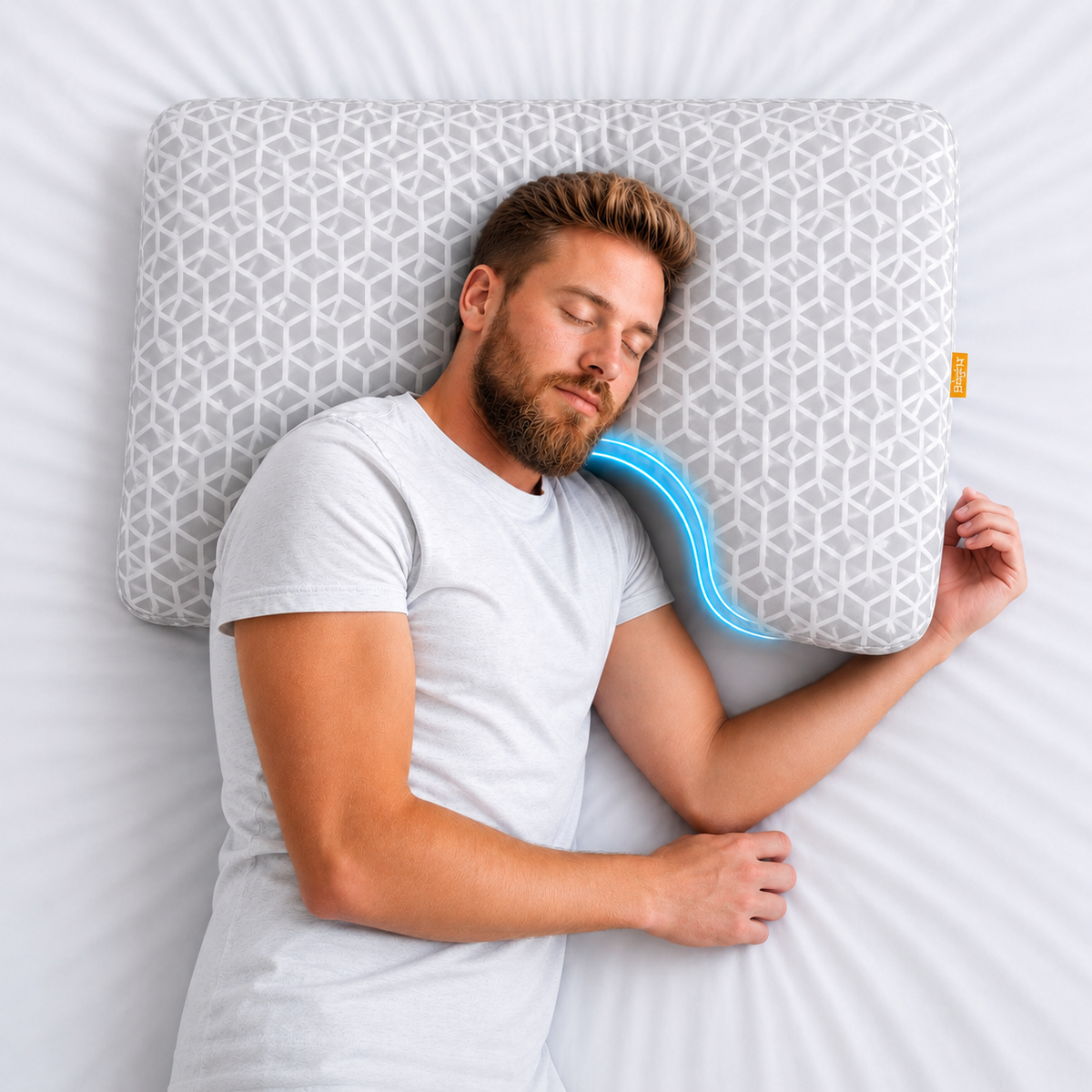
Are you struggling to find a pillow that supports your neck without feeling too soft or overly hard? A firm memory foam pillow might be just what you need to balance comfort and support. Choosing the right firmness level is crucial to maintaining proper spinal alignment and ensuring a restful night’s sleep. But how do you know which firmness suits your sleep position best? This guide will walk you through selecting a firm memory foam pillow that complements your specific sleeping style—whether you’re a side, back, or stomach sleeper—helping you wake up refreshed and pain-free. Understanding Firm Memory Foam Pillows: What Makes Them Unique? Features of Firm Memory Foam Pillows A firm memory foam pillow offers a dense structure that resists sinking too deeply, providing stable support throughout the night. Unlike softer pillows, firm memory foam maintains its shape, making it ideal for sleepers who require consistent neck and head support. This type of pillow adapts to your body's contours while offering a robust feel that many find reassuring for spinal alignment. Differences Between Firm and Extra Firm Memory Foam Pillows While both firmness levels offer solid support, an extra firm memory foam pillow is denser and less compressible than a standard firm option. Extra firm pillows are best suited for sleepers who need maximum support due to broader shoulders or particular orthopedic needs. However, some may find them too rigid initially. Choosing between firm and extra firm depends on personal comfort and the degree of support your neck requires. How Sleep Position Influences Pillow Firmness Choice Side Sleepers and Firmness Needs Side sleepers typically need the firmest pillows to bridge the wide gap between their shoulder and head, preventing neck strain. A firm memory foam pillow fills this space, keeping your cervical spine in a neutral position. Using hard pillows that retain loft without excessive compression helps avoid misalignment and shoulder discomfort. Back Sleepers and Optimal Firmness Back sleepers benefit from a pillow that offers moderate to firm support. While too soft a pillow might cause the head to tilt backward, an overly firm pillow can push the head forward uncomfortably. A firm memory foam pillow with contouring properties provides gently elevated support that cradles the neck without forcing unnatural angles. Stomach Sleepers: Softer Alternatives Stomach sleepers often struggle with neck pain due to excessive pillow height. While firm pillows generally aren’t recommended for this category, some prefer a thinner firm memory foam pillow that doesn’t elevate the head too much. In general, softer pillows with minimal loft better accommodate stomach sleepers. Choosing the Right Firmness: Key Factors to Consider Body Weight and Pillow Support Your weight can influence how a firm memory foam pillow feels. Heavier individuals often compress pillows more, so a firmer or extra firm memory foam pillow usually provides adequate support and maintains its shape. Lighter individuals might find even firm memory foam a bit too stiff and could consider medium-firm alternatives. Pillow Loft and Thickness Loft, or pillow height, works hand-in-hand with firmness. For a firm memory foam pillow to provide proper alignment, its loft should complement your sleep position. Side sleepers generally need high-loft pillows, while back sleepers require medium loft, and stomach sleepers benefit from low loft to prevent neck hyperextension. Pillow Support for Specific Needs: When Firmness Matters Most Relief for Neck and Shoulder Pain Using a firm memory foam pillow can alleviate chronic neck and shoulder pain by promoting proper spinal alignment and reducing pressure points. Memory foam’s contouring ability evenly distributes weight, while firmness prevents excessive sinking that might strain muscles. Managing Snoring and Sleep Apnea Firm pillows help maintain an open airway by keeping the head and neck aligned. Side sleepers with snoring issues often benefit from a firm or extra firm memory foam pillow, which helps reduce airway obstruction by supporting the head at the right angle. Tips for Choosing and Caring for Your Firm Memory Foam Pillow Test firmness in-store when possible, or opt for adjustable pillows like the Brightr® Sleep Eclipse Orthopaedic Adjustable Memory Foam Pillow for customizable support. Choose a pillow with breathable covers or cooling gel layers to prevent overheating common in memory foam. Replace your firm memory foam pillow after 1.5 to 3 years to maintain effective support. Regularly fluff or adjust the fill (for adjustable pillows) to preserve firmness and loft. Benefits of Adjustable Firmness Some firm memory foam pillows allow removal or addition of foam layers, making it easy to tailor firmness to changing comfort preferences or sleep positions. This flexibility can be especially helpful for combination sleepers. Maintenance and Longevity Memory foam pillows require minimal maintenance; avoid machine washing to preserve firmness and structure. Use pillow protectors to guard against stains and allergens, helping your pillow last longer. Summary: Finding Your Ideal Firm Memory Foam Pillow Choosing the right firm memory foam pillow depends largely on your sleep position, body type, and specific support needs. Side sleepers often benefit most from firm or extra firm pillows to maintain neck and spinal alignment, while back sleepers need moderate firmness that supports without forcing unnatural angles. Stomach sleepers generally require softer options but may find thinner firm options helpful. Remember factors such as pillow loft and adjustability when making your choice. Proper care extends your pillow’s life and keeps it supportive night after night. Ready to upgrade your sleep? Explore our range of firm memory foam pillows, including the highly rated Brightr® Sleep Eclipse Orthopaedic Adjustable Memory Foam Pillow to find your perfect fit and experience rejuvenating rest.
Learn more
What Mattress topper is best for side sleepers?
Side sleepers often struggle with shoulder and hip pressure — but the right mattress topper can make all the difference. The best toppers for side sleepers combine soft, pressure-relieving comfort with medium support to keep the spine aligned. Memory foam and latex options around 5–8 cm thick work best, contouring to the body while preventing soreness. Cooling features, like gel-infused foam or breathable covers, also help maintain a comfortable sleep temperature. Whether your mattress feels too firm or too soft, the right topper can refresh it — delivering better alignment, deeper rest, and pain-free mornings.
Learn more